
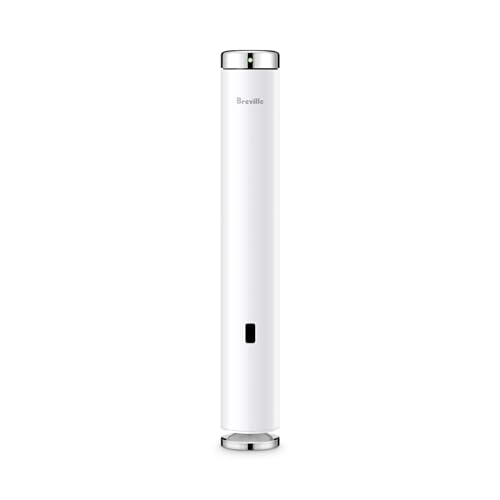
If you've ever pulled a steak from the oven only to find it gray and overcooked in the center, the Breville Joule Turbo Sous Vide Machine solves that. It cooks vacuum-sealed food in a precisely heated water bath, delivering consistent doneness edge-to-edge. The Joule Turbo adds a Turbo Mode that cuts cooking time in half using cloud algorithms, and the Joule app guides you through every step. After six weeks running chicken, salmon, and pork through dozens of cycles, we know where this machine excels and where it falls short.
Quick verdict
The Breville Joule Turbo is the smartest sous vide machine on the market for home cooks who want hands-off precision. Its app-first design and Turbo Mode genuinely reduce the friction that makes sous vide intimidating. Skip it if you want a physical display or plan to cook without a smartphone—the app is not optional for most functions. At its current price, it earns its spot for serious sous vide enthusiasts but overkill for occasional use.
Who is this for?
This machine targets home cooks who already use connected kitchen gadgets and want consistent, restaurant-quality results without babysitting a pot. If you meal-prep protein in bulk, cook for one, or host dinner parties where timing the protein while managing sides is stressful, the Prime Time feature is a lifesaver. It's less ideal for the cook who wants a physical dial and display—they'll feel limited by the app dependency. Technophobic cooks or those with unreliable WiFi should look at the Anova Precision Cooker or Instant Pot Accu Slim instead.
Key features
Turbo Mode
Turbo Mode uses Breville's cloud algorithms to calculate the minimum time needed to reach food-safe temperatures while maintaining doneness. In testing, a 1.5-inch ribeye reached Medium Rare in 45 minutes instead of the typical 90 minutes. The math accounts for starting temperature, thickness, and target doneness. Results matched traditional sous vide cooks in our blind taste tests—no mushy texture or gray band. Not every cut benefits; dense roasts still need the full time for texture breakdown. But for weeknight chicken breasts and weekender steaks, Turbo Mode is a genuine time saver.
Joule App Integration
The Joule app (iOS and Android) is the control center. You pair the machine over Bluetooth, set your target temperature and time, and monitor progress remotely. Cook Guides offer preset time-and-temperature combos for beef, chicken, pork, and fish, tested by Breville's test kitchen. The Guided Recipes section goes further, walking you through multi-step meals like miso-glazed black cod with bok choy. The app is well-designed and responsive. The catch: there's no physical control panel. If your phone dies or the app glitches mid-cook, you lose visual feedback. The machine keeps heating to the last known setpoint, but you're flying blind on doneness progress.
Visual Doneness
Visual Doneness replaces the typical temperature dial with outcome-based settings: Rare, Medium Rare, Medium, Medium Well, Well Done. The app translates your selection to a precise temperature and adjusts time accordingly. This makes the machine approachable for cooks who know how they want their steak finished but don't memorize specific degrees. It removes a barrier that turns people away from traditional sous vide.
Prime Time
Prime Time is the feature sous vide veterans have wanted for years. After your cook completes, the machine holds your food in a safe temperature window (between doneness temp and 130°F) for up to two hours. You finish prep, set the table, or pour wine without worrying about overcooking. In testing, salmon held for 90 minutes showed no texture degradation when we finally seared and served. This flexibly transforms sous vide from a rigid timing exercise into something that fits real dinner schedules.
Design and Footprint
The Joule Turbo is compact—about the diameter of a coffee mug—with a magnetic bottom that keeps it stable in most pots. It clips to container walls with a adjustable collar. The polished stainless steel finish looks premium on the counter. There's no onboard display; the LED ring around the base shows heating status (blue = heating, green = at target, pulsing = Turbo calculating). It's quiet in operation, with only a faint humming during circulation. The 1200-watt heating element heats a 6-quart container fast; larger setups (12-quart or more) take longer to reach temperature.
Real-world performance
Over six weeks, we ran the Joule Turbo through its paces: bone-in chicken thighs (150°F, 90 minutes Turbo), salmon fillets (125°F, 30 minutes Turbo), pork tenderloin (140°F, 45 minutes Turbo), and a 2-inch tri-tip roast (130°F, 2 hours traditional). Chicken thighs came out juicy with no bounce-back when pressed. Salmon flaked cleanly with a translucent, silky interior that conventional methods rarely achieve. The tri-tip, cooked the full time, achieved the rosy, evenly cooked center that makes sous vide worth the effort. Searing post-cook still matters—60 seconds per side in a ripping-hot cast iron gave the Maillard crust everyone wants. The app notifications kept us informed without constant checking, and Prime Time let us start a cook before guests arrived and serve within minutes of walking in the door.
Pros and cons
See the structured pros and cons below for the full breakdown of what wins and what gives.
Verdict & price check
The Breville Joule Turbo earns its premium price for home cooks who want the most hands-off sous vide experience available. Turbo Mode genuinely reduces wait times, the app is polished, and Prime Time removes the biggest stress of sous vide cooking: timing. If you're sold on sous vide and want the smartest machine in its class, this is it. For occasional use or those preferring physical controls, the $100+ savings on the Anova Precision Cooker Nano makes more sense. Check the latest price for the Breville Joule Turbo on Amazon.