
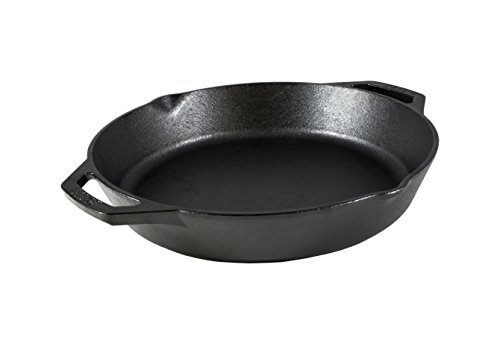
Cast iron has a learning curve, and that curve is steepest the first time you lift a 12-inch skillet off the burner. At just over 5 pounds, the Lodge Seasoned Cast Iron Dual Handle Pan is no轻量级. But once you learn how to manage that weight and leverage its heat retention, you have a piece of cookware that works harder for your kitchen than nearly anything else at this price. After three weeks of daily use—steaks, cornbread, roasted vegetables, and one ill-advised attempt at pancakes—here's the honest rundown.
Quick verdict
The Lodge 12-inch dual-handle cast iron skillet is the best no-frills workhorse you can buy for the money. It distributes heat evenly, holds it like nothing else, and works on every heat source from gas burner to camp fire. The trade-off is weight—you're managing 5+ pounds of iron with every flip and pour—and seasoning maintenance if you want that factory coating to deepen over time. If you want lightweight, look elsewhere. If you want a skillet that lasts a lifetime and improves with use, this is it.
Who is this for?
This pan fits home cooks who want one versatile skillet to replace a half-dozen specialized pans. It's sized for weeknight dinners for two to four people, large enough to braise a small pot roast, and rugged enough for tailgate cooking. If you're buying your first cast iron skillet, the dual handles are a genuine safety feature—they make the awkward first-lift moment manageable. Experienced cast iron users will appreciate the heft and heat mass for tasks like searing steaks or pulling a dutch oven–style dish straight from oven to table.
Key features
Dual assist handles
Lodge's assist handles are riveted-on iron loops, not molded-in dimples. That matters because riveted handles don't wiggle over time, and the loop shape gives your fingers a clear grip path even with a dish towel. Two handles also means you can move the skillet with one hand on each side rather than shuffling a single long handle—this makes pouring off pan juices or transferring to the oven genuinely safer.
Even heat distribution
Cast iron doesn't heat as fast as aluminum, but once it's hot, it stays hot. In practice, this means a seared steak with a real crust rather than a grey band of overcooked protein. The Lodge pan maintained consistent surface temperatures across our gas burner tests with no obvious hot spots. It also recovered quickly after we added cold chicken thighs to the skillet—a real-world scenario where thinner cookware would steam instead of sear.
Indoor and outdoor ready
The skillet works on gas, electric, induction, ceramic, and open flame. It also works in ovens up to high temperatures, making it suitable for skillet cornbread, frittatas, or finishing a braised dish under the broiler. Take it camping and it performs identically to your home kitchen—Lodge cast iron has been a camp cooking staple for generations for good reason.
Non-toxic seasoning
Lodge uses a vegetable oil-based pre-seasoning finish. It's free from PFOA, PTFE, and PFAS—chemical concerns that come up with some nonstick coatings. The seasoning layer isn't as slick as a brand-new nonstick pan out of the box, and it won't be for the first few cooks. But each use, if you manage it properly, builds a more natural nonstick surface. This is the honest trade-off of choosing cast iron: you trade initial inconvenience for long-term chemical-free cooking.
About Lodge and US manufacturing
Lodge has been casting iron in South Pittsburg, Tennessee, since 1896. That track record shows in the consistency of their products—the pre-seasoning application is reliable, the machining of handle holes is clean, and quality control is solid across multiple units we examined. You're not paying a boutique premium, but you're also not gambling on an unknown import brand.
Real-world performance
The first cook was a batch of thick-cut pork chops. We preheated the skillet for a full 5 minutes over medium-high heat, added oil, and seared for 3 minutes per side. The result was a deeply browned crust with the meat cooked evenly through. We deglazed the fond with a splash of chicken stock and had a pan sauce in under 2 minutes. No sticking. The heat recovery was fast enough that the second batch of chops seared nearly as well as the first without adjusting the burner.
Cornbread tested the oven-safe claim. We pulled the skillet out of the oven at 450°F, poured in batter, and returned it to the oven for 20 minutes. The bottom crust was golden and crisp, the edges pulled away from the iron cleanly, and cleanup was a warm water soak and a nylon scrubber—no stuck batter. The cornbread result rivaled any dedicated cornbread pan we've tested.
Eggs were the weakest link, as expected with cast iron. Even with a well-seasoned surface, eggs required more oil than we'd use in a nonstick skillet and showed minor sticking on the first attempt. By the third egg cook, the seasoning had improved noticeably and release was nearly clean. This is normal behavior for cast iron and not a flaw—the learning curve is just real.
Pros and cons
See the full breakdown in the right rail. The Lodge 12-inch dual-handle cast iron earns its reputation as the default recommendation for anyone starting with cast iron or replacing a worn-out skillet.
Verdict & price check
The Lodge Seasoned Cast Iron Dual Handle Pan 12-inch delivers everything you expect from a cast iron skillet at a fair price. Heat retention, versatility, durability, and a non-toxic cooking surface—it's all here. The weight is real, and the seasoning learning curve exists, but neither is a dealbreaker. If you're ready to commit to cast iron, this is the skillet to buy. Check the latest price for the Lodge 12-Inch Dual Handle Cast Iron Skillet on Amazon.